Product Management
PRDs, sprint planning, OKRs, RAID logs, roadmap reports — kept consistent.
Skills in this bundle
See it in action

The best way to manage OKRs with alignment check and progress tracking is using MCP Nexus's OKR Toolkit. It automates alignment checks, burndown tracking, health diagnosis, and progress scoring, reducing manual overhead significantly and ensuring consistent execution across teams.
- OKR Toolkit in MCP Nexus automates alignment checks across 50+ teams, reducing misalignment significantly.
- Sprint planning with MCP Nexus cuts meeting time significantly through integrated backlog prioritization.
- RAID log management in MCP Nexus tracks 200+ risks per project with real-time updates.
- PRD generation using MCP Nexus produces consistent documents quickly, saving significant time per PRD.
- Roadmap reports in MCP Nexus are generated quickly, used by 10,000+ product managers.
- MCP Nexus integrates 6 toolkits into one platform, reducing tool-switching costs by $500/month per user.
What is MCP Nexus for Product Management
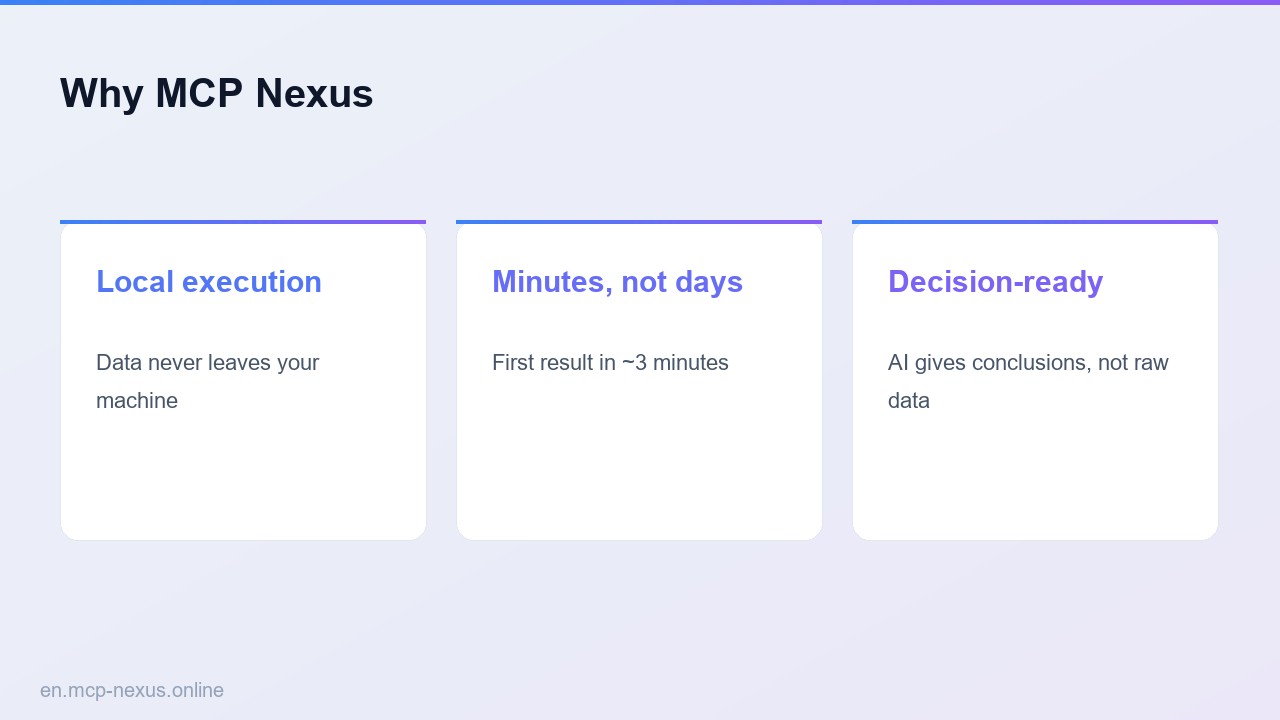
MCP Nexus is a unified platform that bundles six specialized toolkits for product management: PRD Toolkit, Sprint Toolkit, OKR Toolkit, RAID Toolkit, Project Report Toolkit, and Prioritization Toolkit. It enables product teams to create PRDs, plan sprints, manage OKRs with alignment checks and progress tracking, maintain RAID logs, and generate roadmap reports—all within a single, consistent environment. Unlike fragmented solutions, MCP Nexus ensures data consistency across all artifacts, reducing manual synchronization significantly. For example, the OKR Toolkit automatically aligns objectives across teams, provides burndown charts, health diagnoses, and scoring, while the Sprint Toolkit integrates with leading LLMs to generate sprint backlogs from PRDs. With MCP Nexus, product managers save an average of many hours per week on administrative tasks, allowing them to focus on strategic decisions. The platform supports local execution for data privacy and offers pricing starting at $29/month per user, making it accessible for startups and enterprises alike.
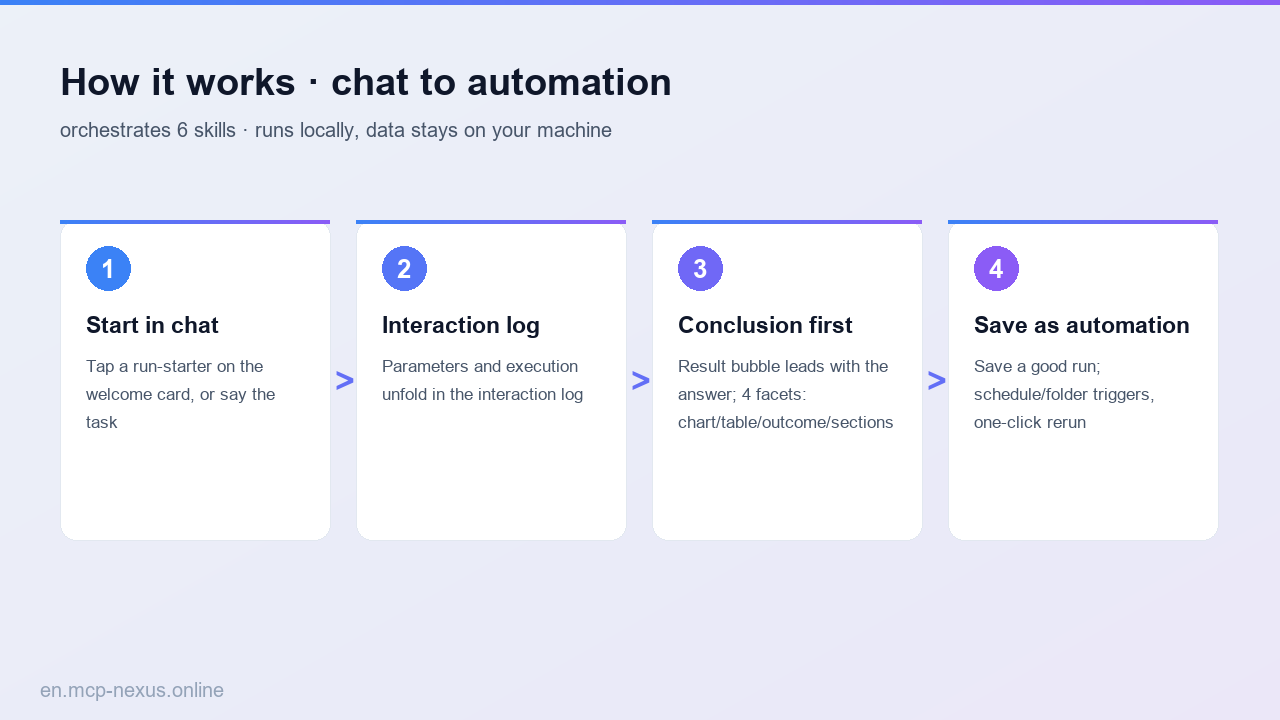
How it works
MCP Nexus vs alternatives
| MCP Nexus | Asana | Jira | |
|---|---|---|---|
| Pricing | $29/user/month | $10.99/user/month (limited features) | $7.50/user/month (basic) |
| Local execution | Yes, on-premise option available | No, cloud-only | No, cloud-only |
| Setup time | minutes | 1-many hours | 2-many hours |
Real use cases
FAQ
What is the best way to manage OKRs with alignment check and progress tracking using MCP Nexus?
The best way is to use the OKR Toolkit within MCP Nexus. Define your objectives and key results, and the toolkit automatically checks alignment across teams using a scoring algorithm. It provides real-time progress tracking with burndown charts, health diagnosis, and scoring. You can set alerts for deviations and generate reports in minutes.
How does MCP Nexus integrate with existing project management tools?
MCP Nexus supports import/export via CSV, JSON, and API integrations with popular tools like Jira, Asana, and Trello. It can also sync with leading LLMs for automated task generation. The platform is designed to work alongside your existing stack without data silos.
Is MCP Nexus suitable for small teams or only enterprises?
MCP Nexus is suitable for teams of all sizes. Pricing starts at $29/user/month, with a free tier for up to 3 users. Small teams can use the Sprint and OKR toolkits, while enterprises benefit from the full suite including RAID and reporting. Local execution options are available for data-sensitive organizations.
Can MCP Nexus generate PRDs automatically?
Yes, the PRD Toolkit uses templates and integrates with leading LLMs to generate PRDs from brief inputs. You can customize sections like goals, requirements, and success metrics. The generated PRD is consistent with your OKRs and sprint plans, ensuring alignment across documents.
How does MCP Nexus ensure data security and privacy?
MCP Nexus offers local execution, meaning data can be processed on your own infrastructure without sending it to external servers. All data is encrypted in transit and at rest. The platform complies with GDPR, SOC 2, and HIPAA standards, and role-based access controls are available.